Its me again! (I mean it is my blog so its always going to be me…) Another week has passed here in Copenhagen-we are already into February which is wild. I thought for this week’s post I would write more in depth about my academic experience thus far, as I am here to learn, not just travel.
Core Course- Urban Studies: European Urban Experience: Why Cities Matter
So I have no prior experience with architecture/urban planning…zero, none. However, I’ve always enjoyed exploring cities—and under “is this program for you” the first discipline listed was Anthropology so I thought, “yes, this program is for me.” I didn’t really know what to expect coming into this class, would I need to catch up on urban planning lingo and architecture terms? I’ve touched on this in other posts, but it was not a requirement to know any of this information beforehand, so I feel as though anything I need to know is being taught to me. I really enjoy this class- we meet once a week for a double period (starting at 8:30, but its my only 8:30 class so I guess that’s fine) and most weeks we spend the second half of the class actually out in the city experiencing what we have been talking about. It has been really interesting to talk with classmates who have a background in Urban Studies and issues that they already think about in their studies back home and I’ve enjoyed thinking about aspects of cities that I have never stopped to consider. I will discuss this course more throughly after Core Course Week and our travels in Vienna/Budapest, but so far this class has been great.
History of Copenhagen: Structure, Plan, Design
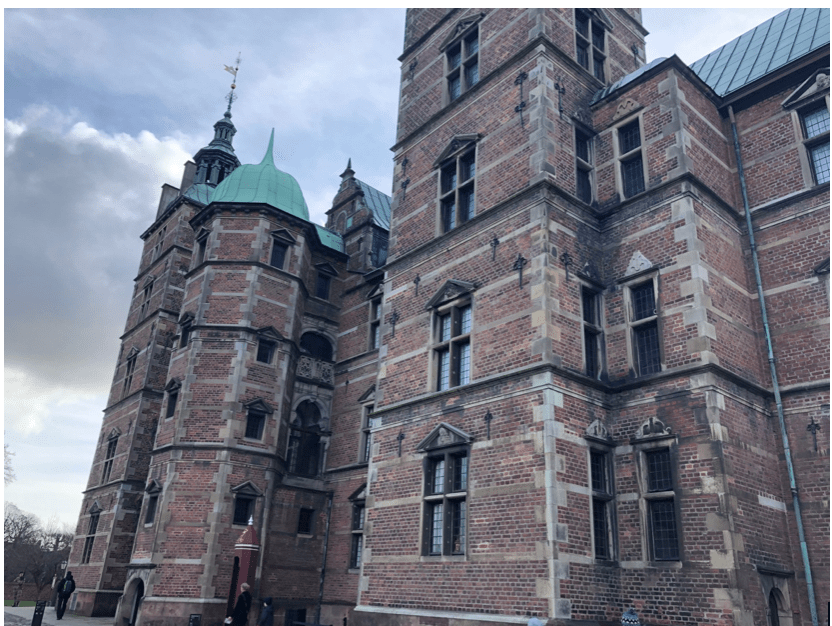
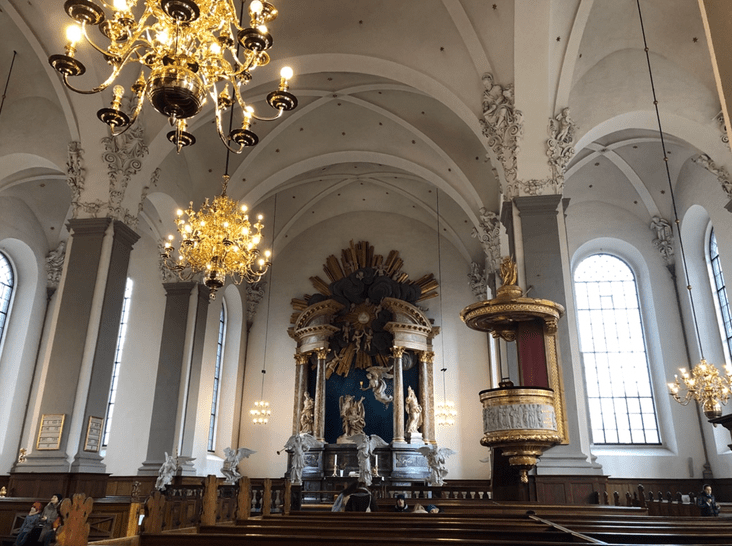
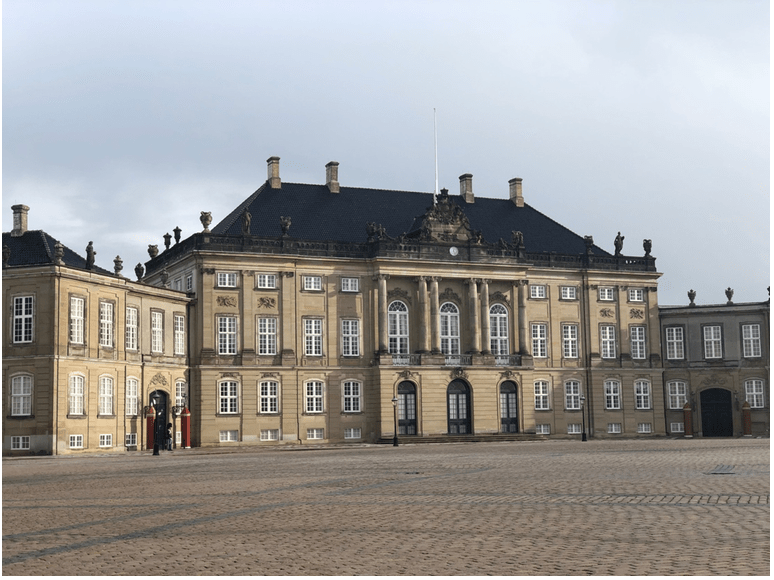
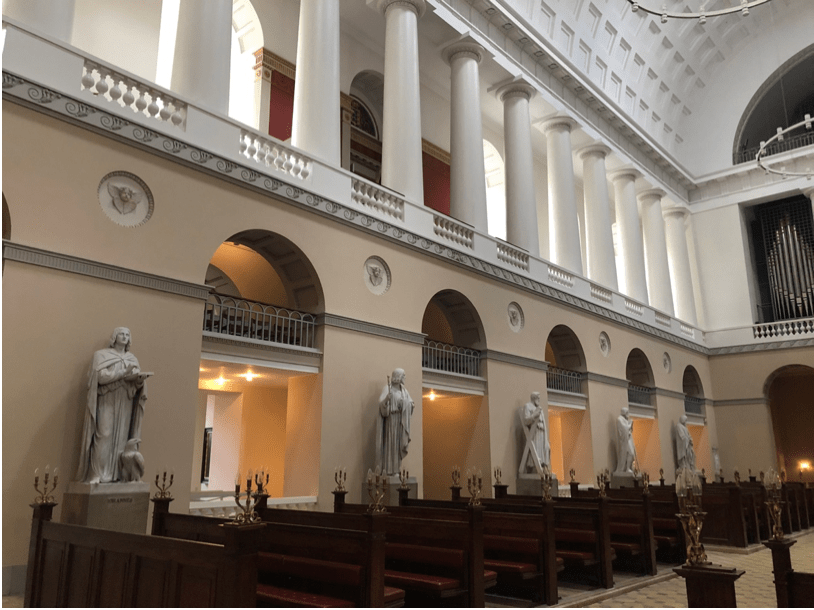
I really like this class, but it is not for everyone. I really love history and through this class I have been able to learn history about this city that I am in for the next few months, which has been super helpful. However, we did just have an assignment about architecture, and I will say that it was HARD—I did learn how to spot Dutch Renaissance, Baroque, Rococo, and Neo-Classical buildings though, so that is a plus. I recommend the class to anyone who likes history—as it is a history course—but also is interested a bit in architecture or city planning (specifically Copenhagen, but that’s a given). We also get out of the classroom a good deal in this course—why study Copenhagen from a classroom when you can go out and experience it?
Nordic Mythology
Nordic Mythology is super interesting to me—I get to dive deeper into a subject that I kind of skimmed the surface of last semester in Iceland. A lot of the primary sources we read are Icelandic—the Prose and Poetic Eddas, sagas—so its been nice to have some background knowledge already. Plus we are going to the Viking Ship Museum, how cool? For anyone remotely interested in vikings, in any capacity, this is the class to take. We have read primary sources, watched clips of movies (such as Valhalla, a Danish animated film, and the Kirk Douglas film The Vikings) and the TV show Vikings, and have gone to the National Museum to see the pre-modern exhibit. I may or may not write a paper about J.R.R Tolkien’s use of Norse Mythology in his work (did you know the dwarves names come from Norse Mythology and Gandalf was the name of dwarf? I didn’t).
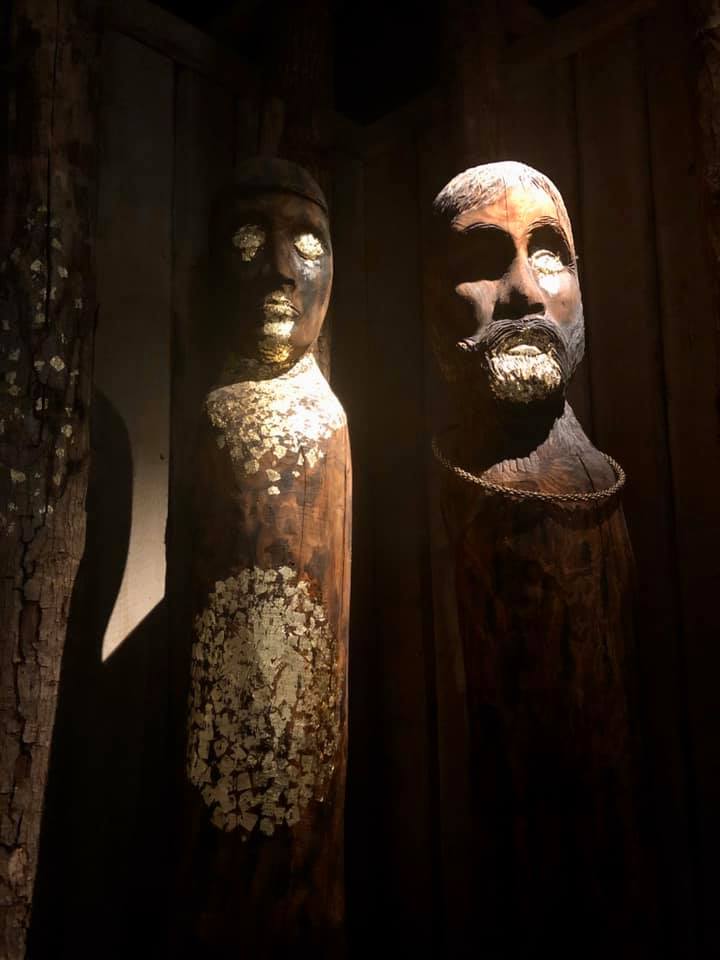
Environmental Impact of Humans
So I’m not going to lie—I’m not much of a science person (or math person), but I need to take a certain number of sciences courses back home. So here I am taking Environmental Impacts of Humans. I will say it was not what I expected, we are currently learning about philosophy and ideology and how these tie into how we think about the environment. This is a class that has pushed me to read and discuss topics that I normally don’t engage with in a classroom setting (those who know me at Wellesley know that I have avoided philosophy in the past, but somehow this year, both here and in Iceland, I ended up taking courses that rely heavily on philosophy. I will say I am less scared by philosophy, but it still makes my brain hurt sometimes…) and to think about the environment in a new way. This class is the most out of my comfort zone, both in subject and class style, but what good is going abroad if you aren’t uncomfortable at some point? I think I am going to take a lot away from this class, even if it was not one of the ones I was most excited about. If you like philosophy, the environment, and thinking about the environment from different perspectives, this is the class for you.
Queer and Subversive Writers in European Cities
This course is the class where, even with 20 something people around a long rectangular table, the most conversation happens (it could be because it is a literature course and there are a lot of opinions about what we have read). There have been some really fun and interesting conversations and during our first field study we met with Danish poet/author Asta Olivia Nordenhof. Our reading list includes Virginia Woolf, Thomas Mann, Samuel Beckett, Jeanette Winterson, and Maja Lee Langvad among others.
The wide range of courses offered at DIS was one of the first reasons I started looking into the program, and I am happy with the courses I chose for this semester. The different topics, the field studies and study tours, being taught by interesting people in class with other engaged students has made the academics this semester engaging and interesting. Next week is the first Study Tour Week which means I have a week to travel on my own. Zurich, Schramberg, Stockholm, Helsinki and Tallin here I come!
 Erika Leaves America